By clicking “Accept All Cookies”, you agree to the storing of cookies on your device to enhance site navigation, analyze site usage, and assist in our marketing efforts. View our Privacy Policy for more information.

The advertising industry stands at a critical inflection point. Traditional advertising agencies, once the undisputed gatekeepers of brand creativity and media buying, face unprecedented challenges that threaten their very existence. While declaring them completely "dead" may be premature, the evidence suggests the traditional agency model is rapidly becoming obsolete as businesses seek more agile, integrated, and cost-effective solutions.
This shift is particularly evident in markets like Wilmington, North Carolina, where forward-thinking companies are increasingly turning to full-service creative studios that can deliver comprehensive marketing solutions without the bureaucratic overhead and lengthy timelines associated with traditional agencies.
Traditional advertising agencies are experiencing a fundamental structural collapse. Major industry players like WPP, one of the world's largest advertising conglomerates, have been forced to cut their growth outlooks due to significant client losses and slower advertising spending. The problems run deeper than cyclical economic challenges: they represent a fundamental mismatch between how traditional agencies operate and what modern businesses need.
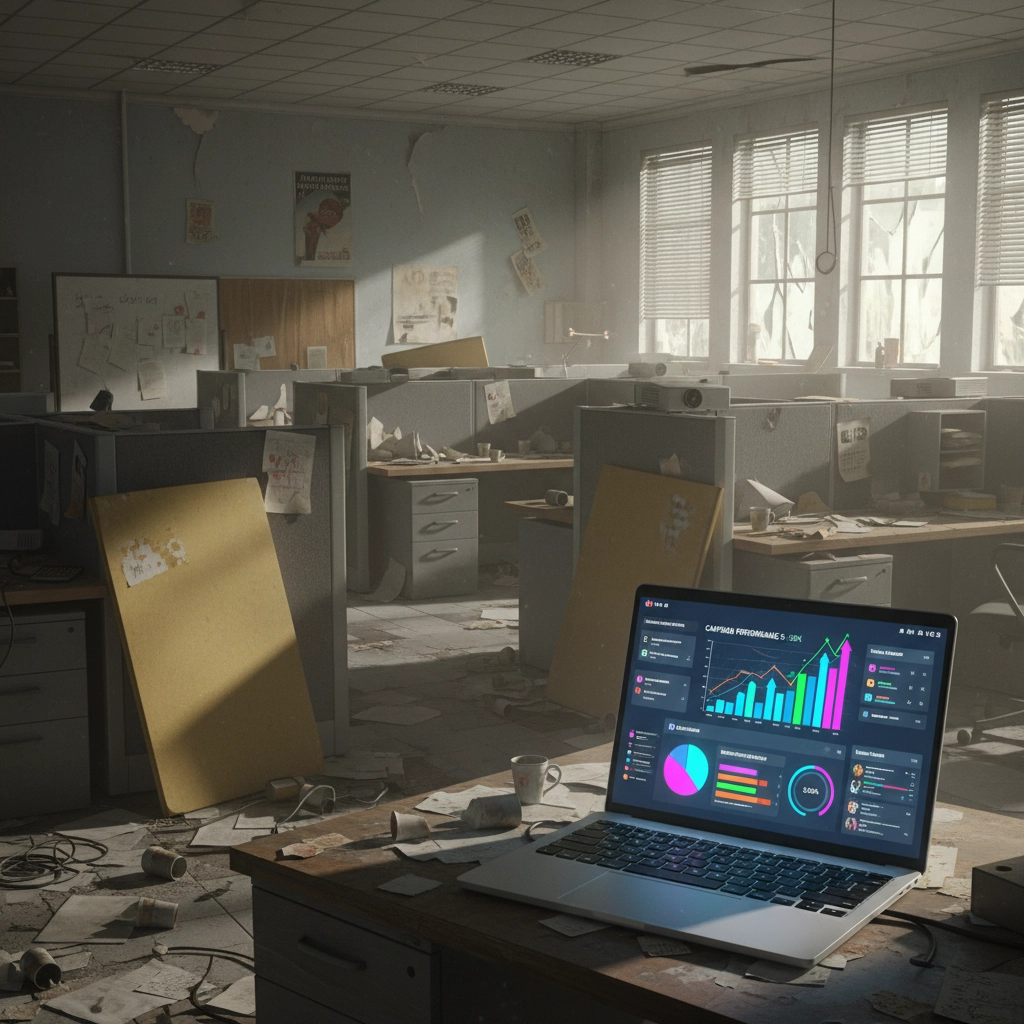
The traditional agency model was built for a different era. It relies on months-long campaign development cycles, multiple layers of approval, expensive retainer agreements, and rigid hierarchical structures. These agencies were designed when marketing campaigns were annual events, media buying required specialized relationships, and creative development followed predictable patterns.
Today's business environment demands something entirely different. Companies need rapid response capabilities, real-time campaign optimization, and the ability to adapt messaging across multiple digital channels simultaneously. The traditional agency infrastructure simply cannot deliver at the speed and efficiency modern businesses require.
One of the most significant factors driving the decline of traditional agencies is the exodus of top creative talent. The industry's best professionals are no longer willing to navigate agency bureaucracy and lengthy approval processes. Instead, they are launching independent consultancies, joining technology companies as chief marketing officers, or building their own creative platforms.
This talent migration is driven by several factors. Independent creators can now monetize their skills directly through platforms like Substack, Patreon, and LinkedIn, without the constraints of agency employment. They can work with multiple clients simultaneously, command higher rates, and maintain creative control over their work.
Modern businesses operate in an always-on digital environment where market conditions change rapidly. Social media trends emerge and disappear within days, consumer sentiment shifts in real-time based on current events, and competitors can launch new campaigns within hours rather than months.

Traditional agencies, with their committee-based decision-making processes and extensive approval chains, cannot compete with this pace. A campaign that takes six months to develop and approve may be addressing market conditions that no longer exist by the time it launches.
The rise of programmatic advertising and automated media buying has fundamentally changed how advertising works. Programmatic advertising now accounts for approximately 85% of all digital ad spending in the United States. This technology allows companies with the right capabilities to optimize campaigns in real-time, adjust targeting based on performance data, and achieve better results at lower costs.
Traditional agencies often lack the technical infrastructure and data analytics capabilities to fully leverage these tools. Companies that bring these capabilities in-house or work with specialized studios can achieve significantly better results.
Traditional agency retainer models often involve paying for overhead, account management layers, and services that may not directly contribute to campaign success. Businesses increasingly question whether they need to pay for large agency offices, extensive support staff, and multiple account management layers when more focused solutions are available.
Full-service creative studios represent the evolution of the traditional agency model. These organizations combine the creative capabilities of advertising agencies with the technical expertise of digital marketing firms and the agility of specialized consultancies.
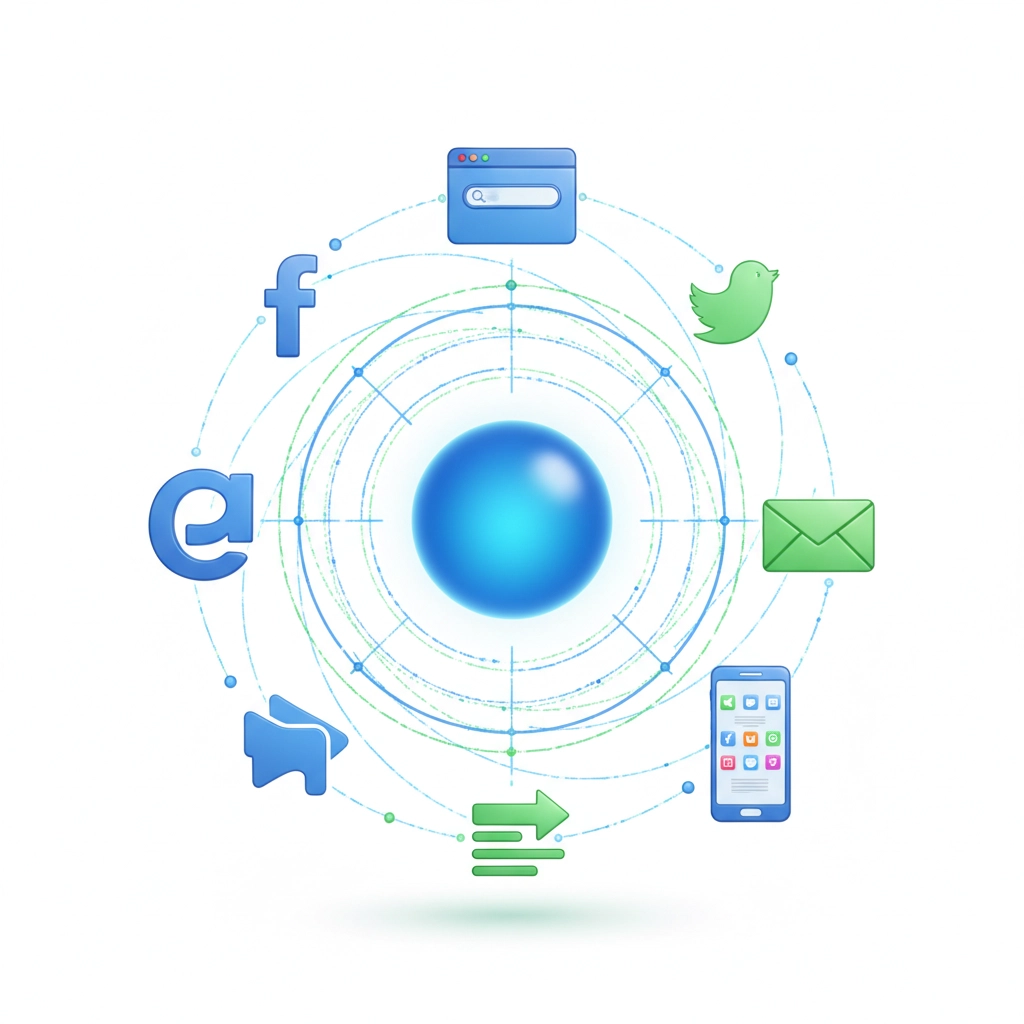
Unlike traditional agencies that often partner with separate media buying firms, web development companies, and production studios, full-service creative studios provide comprehensive capabilities within a single organization. This integration eliminates coordination delays, reduces communication errors, and ensures consistent execution across all marketing channels.
Modern creative studios are built around digital-first processes and technology platforms. They use project management tools that provide real-time visibility into campaign development, collaborative platforms that enable rapid iteration and feedback, and analytics systems that measure performance across all marketing activities.
Rather than requiring long-term retainer agreements, full-service creative studios often offer project-based engagements, performance-based pricing, or hybrid models that can scale up or down based on business needs. This flexibility allows companies to access high-level creative and strategic expertise without the overhead associated with traditional agency relationships.
Full-service creative studios typically operate with flatter organizational structures and streamlined approval processes. This enables them to move from concept to execution significantly faster than traditional agencies. Campaigns that might take months to develop through a traditional agency can often be completed in weeks through a creative studio.
Modern marketing requires consistent messaging and coordinated execution across multiple digital channels including websites, social media, email marketing, search advertising, and content marketing. Creative studios that handle all these channels internally can ensure better coordination and more effective cross-channel optimization.

In traditional agency relationships, day-to-day work is often handled by junior staff, with senior creative directors and strategists involved only in initial presentations and major reviews. Full-service creative studios typically provide more direct access to senior-level talent throughout the engagement.
Creative studios often provide more transparent pricing structures and clearer performance metrics than traditional agencies. This transparency allows businesses to better understand what they are paying for and how their investment translates to results.
Before switching from a traditional agency to a full-service creative studio, businesses should assess their internal marketing capabilities. Some companies may benefit from building in-house teams for certain functions while outsourcing specialized creative work.
Different creative studios have varying levels of technical expertise. Companies with complex digital infrastructure requirements should ensure their chosen studio has appropriate capabilities in areas like web development, e-commerce integration, and marketing automation.
The collaborative nature of creative studio relationships requires strong communication and cultural alignment. Businesses should evaluate potential partners based on their communication style, project management approach, and ability to integrate with internal teams.

When evaluating creative studios, examine their portfolio of work across different industries and campaign types. Look for evidence of results-driven approaches and the ability to adapt creative strategies to different business objectives.
The shift away from traditional advertising agencies represents more than a trend: it reflects fundamental changes in how businesses approach marketing and creative development. Companies that embrace more agile, integrated, and technology-driven approaches to marketing will be better positioned to compete in an increasingly complex digital landscape.
Full-service creative studios offer a compelling alternative that combines the creative expertise of traditional agencies with the speed, flexibility, and cost efficiency that modern businesses require. For companies ready to move beyond the constraints of traditional agency relationships, these studios provide a path to more effective and efficient marketing execution.
The question is not whether traditional advertising agencies will survive: some will adapt and evolve: but rather which marketing partnership model will best serve your business objectives in an increasingly competitive and fast-moving marketplace.