By clicking “Accept All Cookies”, you agree to the storing of cookies on your device to enhance site navigation, analyze site usage, and assist in our marketing efforts. View our Privacy Policy for more information.

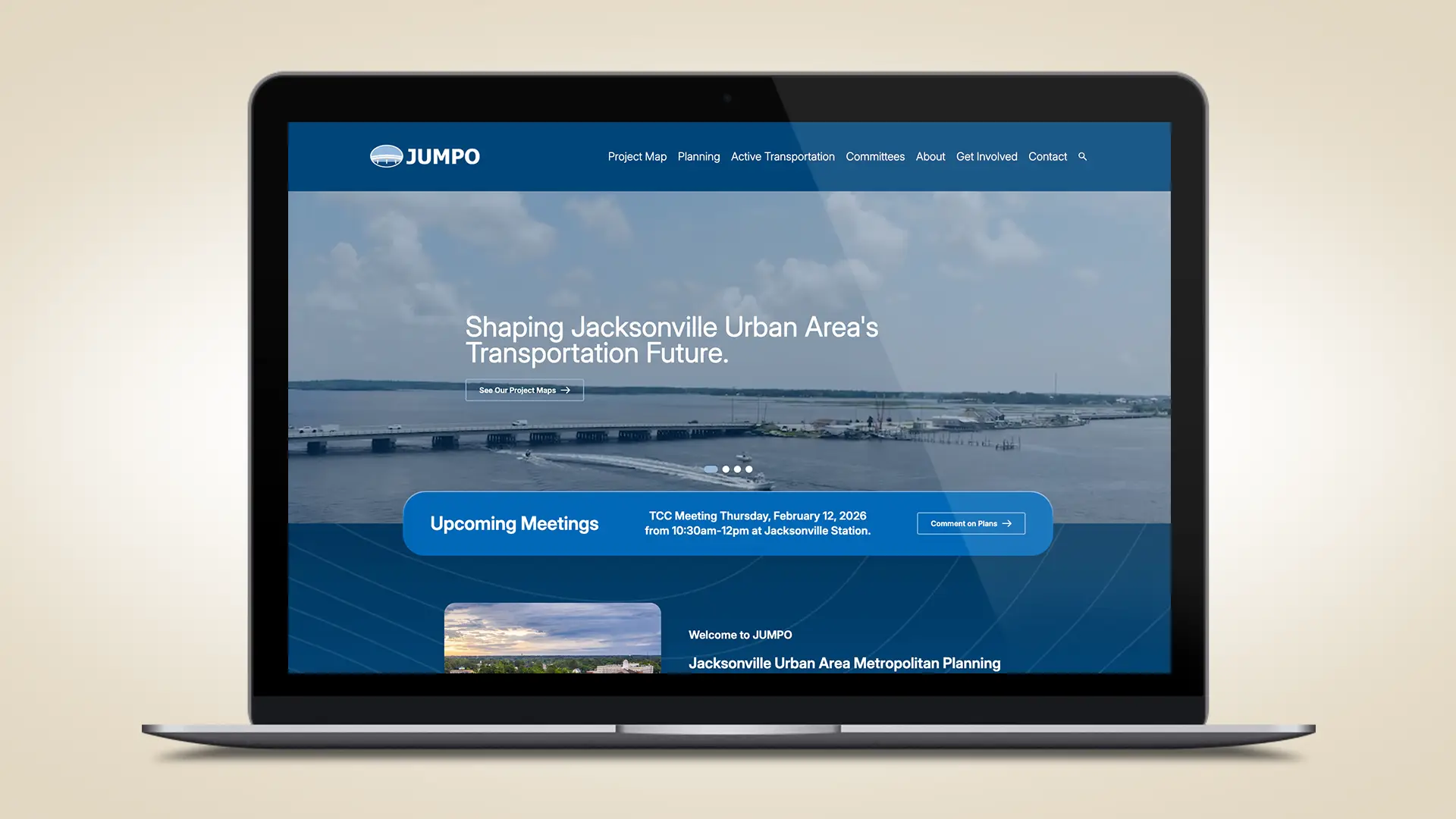
In today’s digital landscape, your website is not just a digital brochure — it’s your primary growth engine.
But here’s the reality:
Most websites are missing the infrastructure required to properly track user behavior, optimize advertising performance, and build high-converting retargeting audiences.
They may have Google Analytics installed. Perhaps even a Facebook pixel. But without a structured tracking architecture, they are operating with incomplete data.
At Springer Studios, we build performance-driven websites engineered for measurement, attribution, and scalable growth.
Here is the complete tracking and retargeting stack every serious organization should have in place.
Every optimized website begins with a clean, centralized tracking system.
Google Tag Manager should serve as the command center for all tracking scripts.
Why it matters:
Without GTM, managing multiple tracking scripts becomes inefficient and error-prone.
GA4 must be properly configured — not simply installed.
Essential setup includes:
High-performing websites measure behavior — not just traffic.
For paid search campaigns, proper conversion tracking is non-negotiable.
Advanced configuration should include:
This improves algorithm optimization and return on ad spend.
The Meta Pixel remains one of the most powerful retargeting tools available.
Recommended events:
However, installing the pixel alone is no longer sufficient.
Server-side tracking restores data lost due to:
Without Conversions API, advertising platforms operate with reduced signal quality.
For B2B organizations, this is essential.
It enables:
If your target audience includes economic developers, colleges, chambers of commerce, or executive decision-makers, LinkedIn tracking should be installed.
Even if paid campaigns are not currently active, retargeting pixels should be installed early.
You cannot retarget past website visitors retroactively.
Recommended platforms:
Retargeting consistently delivers the highest ROI in digital advertising campaigns.
Tracking only form submissions is not enough.
Optimized websites track micro-conversions and engagement signals.
Examples include:
This data enables segmentation based on engagement level — not just completed conversions — improving both retargeting and campaign optimization.
Forms are often the most important conversion mechanism on a website.
They should be engineered carefully.
Every form should automatically capture:
This ensures accurate attribution inside your CRM.
Use invisible spam protection to:
Spam leads distort reporting and waste advertising budget.
Avoid simple pop-up confirmations.
A proper thank-you page:
This single step significantly improves tracking accuracy and performance.
Understanding how users behave on your site is critical for optimization.
Recommended tools:
Track:
Behavioral data removes guesswork from design decisions.
If inbound calls are part of your sales process, dynamic call tracking is essential.
Platforms such as:
Enable:
Without call tracking, marketing attribution is incomplete.
Your website should connect directly to your CRM platform.
Examples include:
You should be tracking:
Without CRM integration, scaling marketing efforts becomes difficult.
Modern websites must prioritize privacy and regulatory compliance.
Essential components:
Compliance protects both your users and your organization.
Tracking infrastructure is only effective if the site performs well.
Your website should include:
Technical performance directly impacts both SEO and advertising efficiency.
A fully optimized service-based website should include:
This is not excessive.
This is modern marketing infrastructure.
Many websites look polished.
Very few are engineered for measurable performance.
A high-performing website is not built around aesthetics alone.
It is built around:
When properly engineered, your website becomes a scalable marketing system — not just a digital presence.
At Springer Studios, we design websites with purpose and performance aligned.
If you’re ready to transform your website into a measurable growth engine, let’s build it the right way.