By clicking “Accept All Cookies”, you agree to the storing of cookies on your device to enhance site navigation, analyze site usage, and assist in our marketing efforts. View our Privacy Policy for more information.

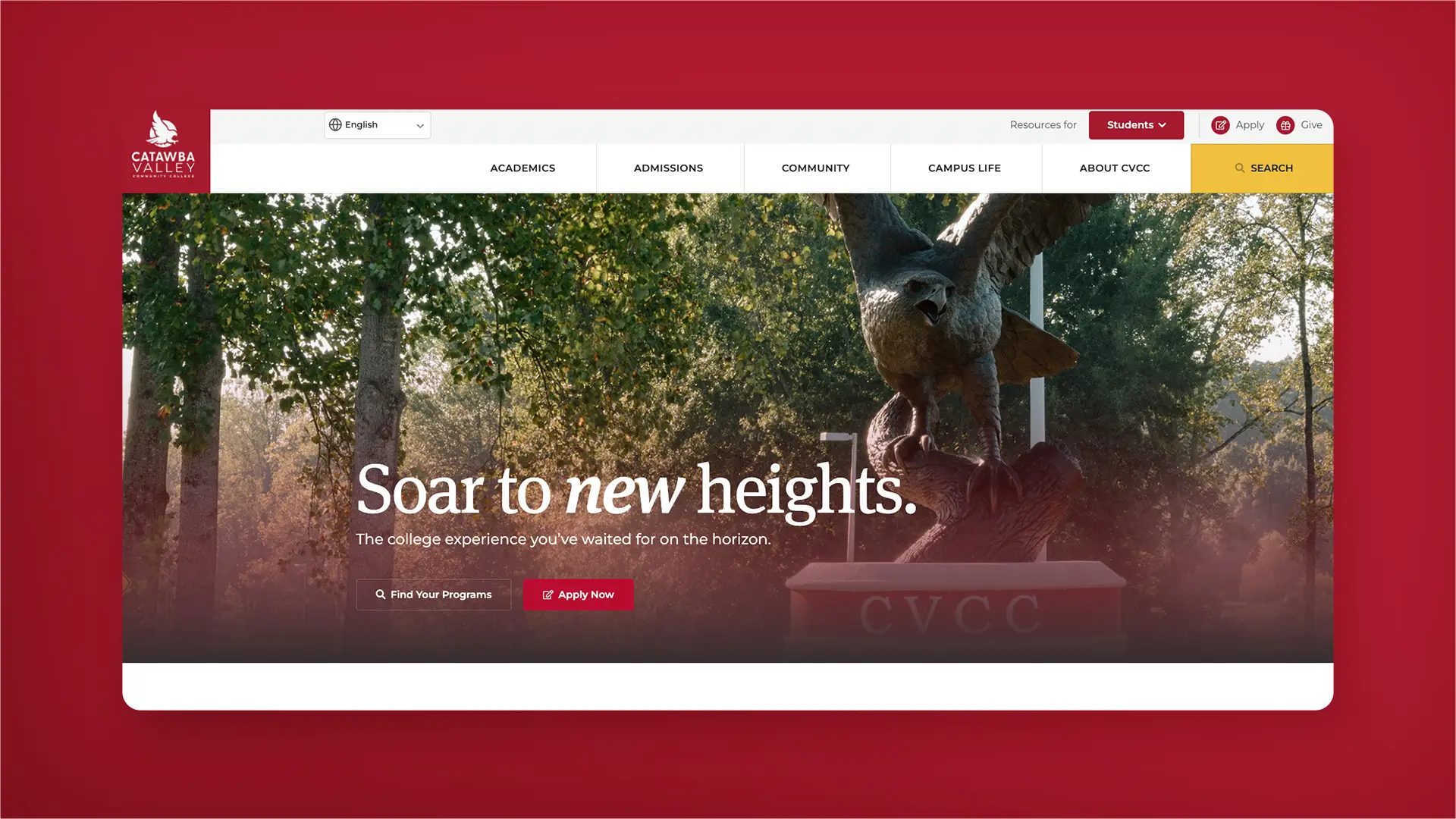
Selecting the right web designer for your Wilmington, NC business requires careful evaluation of multiple factors. The decision impacts your online presence, customer acquisition, and long-term business growth. Understanding what to look for before making this investment ensures you partner with a designer who can deliver results aligned with your business objectives.
Establishing clear website objectives forms the foundation of any successful design project. Determine the primary action you want visitors to take when they reach your site. This could include scheduling consultations, purchasing products, downloading resources, or contacting your business directly.
Each page should have one clear call-to-action to streamline user experience and improve conversion rates. For Wilmington-based businesses, consider whether your goals focus on local customer acquisition, regional expansion, or national reach. This distinction influences design decisions, content strategy, and functionality requirements.
Document your goals before initial designer consultations. This preparation enables more productive discussions and helps designers understand your expectations from the project's beginning.
Your target audience determines design aesthetics, functionality, and user experience decisions. Analyze who will visit your website and how they prefer to interact with online content. Consider demographics, technical proficiency, device preferences, and browsing behaviors.
For businesses serving the Wilmington market, evaluate whether your customers are primarily local residents, tourists, regional clients, or a combination. Each audience segment requires different design approaches and content strategies.
Understanding audience preferences helps designers create intuitive navigation structures, appropriate visual elements, and relevant content hierarchies that resonate with your specific customer base.
Web design costs vary significantly based on project complexity, required features, and designer expertise. Establishing a realistic budget before beginning your search helps identify designers whose services align with your financial parameters.
Consider ongoing costs beyond initial design, including hosting, maintenance, security updates, and content management. Some designers offer comprehensive packages that include these services, while others focus solely on design and development.
Budget transparency prevents project delays and scope creep. Communicate your budget range during initial discussions to ensure alignment between your expectations and the designer's capabilities.
Evaluate potential designers' previous work to assess their capability to deliver results for your business. Request portfolio examples that demonstrate experience with projects similar to your requirements and industry.
Look for designers who have worked with Wilmington businesses or understand the local market dynamics. Review their portfolio for design quality, functionality, user experience, and alignment with current web standards.
Contact previous clients when possible to understand their experience working with the designer. Inquire about project timelines, communication quality, problem-solving abilities, and overall satisfaction with the final results.
Designers familiar with the Wilmington business landscape can incorporate location-specific elements that resonate with your target audience. Local market knowledge helps create websites that reflect regional culture, business practices, and customer expectations.
Consider designers who understand Wilmington's tourism industry, port commerce, film production community, or other relevant local economic factors. This knowledge influences design decisions, content strategy, and functionality requirements.
Local designers may also provide ongoing support advantages, including in-person meetings, better understanding of regional competition, and connections to other local service providers.
Professional web designers follow structured methodologies that ensure consistent results and clear project progression. A comprehensive process typically includes goal identification, sitemap creation, wireframing, interactive prototypes, style guide development, and launch phases.
Request detailed information about each process phase, including deliverables, timeline expectations, and review opportunities. Understanding the process helps you prepare appropriate feedback and maintain project momentum.
Designers should explain how they handle revisions, incorporate feedback, and manage project changes. Clear process documentation reduces misunderstandings and establishes expectations for collaboration throughout the project.
Different website platforms offer varying levels of functionality, scalability, and maintenance requirements. Ask designers about their platform recommendations and expertise with systems like WordPress, Shopify, custom solutions, or content management systems.
Platform selection impacts long-term website maintenance, update capabilities, and expansion possibilities. Ensure the recommended platform supports your current needs and anticipated future growth.
Verify the designer's technical skills including responsive design, search engine optimization, site speed optimization, and integration capabilities with third-party tools or services your business requires.
Discuss realistic timelines for project completion and understand how different phases progress. Typical projects include discovery, planning, design, development, testing, and launch phases, each with specific duration requirements.
Factor in time for content creation, review cycles, feedback incorporation, and testing. Rush projects often compromise quality, while unrealistic timelines create unnecessary stress for both parties.
Establish clear milestone dates and communication schedules to maintain project momentum and ensure timely completion. Understanding timeline expectations helps you plan business activities around the website launch.
Beyond basic content presentation, identify specific features your website needs to support business operations. Common requirements include e-commerce capabilities, appointment scheduling, contact forms, email list integration, payment processing, or customer testimonials.
For businesses requiring online sales capabilities, ensure the designer has experience with secure e-commerce platforms, payment gateway integrations, and inventory management systems. Wilmington businesses serving tourists or regional customers may need multilingual support or location-based features.
Document functionality requirements before designer consultations to ensure accurate project scoping and budget estimates. Complex features require additional development time and ongoing maintenance considerations.
Modern websites must function effectively across all device types, with mobile-responsive design being essential rather than optional. Verify that designers prioritize mobile-first design approaches that ensure optimal user experience on smartphones and tablets.
Security measures protect your business and customer data from potential threats. Discuss implementation of SSL certificates, regular security updates, backup systems, and other protective measures appropriate for your business type.
Ask about ongoing maintenance services, security monitoring, and update procedures. These services ensure your website remains secure, functional, and current with evolving web standards and security requirements.
Selecting the right web designer requires balancing multiple factors including expertise, cost, communication style, and cultural fit with your business. Take time to evaluate multiple candidates and request detailed proposals before making your final decision.
Consider scheduling consultations with several designers to compare their approaches, understand their processes, and assess their understanding of your business objectives. The right designer will ask thoughtful questions about your goals, audience, and requirements while providing clear explanations of their recommended approach.
For Wilmington businesses seeking professional web design services, Springer Studios offers comprehensive solutions that combine creative expertise with strategic thinking. Our team understands the local market dynamics and can help create websites that effectively represent your business and engage your target audience.
Ready to discuss your web design project? Contact us to schedule a consultation and learn how we can help bring your vision to life.